My practice as a visual artist is focused on creating symbolic bridges between individuals and / or communities; that have different cultures and geographic spaces. My work has transversal axes as: marginality, exclusion and invisibility. These are related to deep issues such as: migration, racism and particularly the historical memory associated with the internal armed conflict in Peru (1980 - 2000), which I have been developing for two years, creating a Memory Space with a specific community.
Formally, my work is in macro or micro scale; and for specific sites. My practice can be individual as well as collective. I believe in co-creation processes, as an individual, I am part of the collective artist group FIBRA and as part of the community, we made a Memory Space with the people of Hualla in Ayacucho, Peru; and with nature, a bio materials project.
Hola!5114342257511+51990277980 gabriela.floresdelpozo@gmail.com

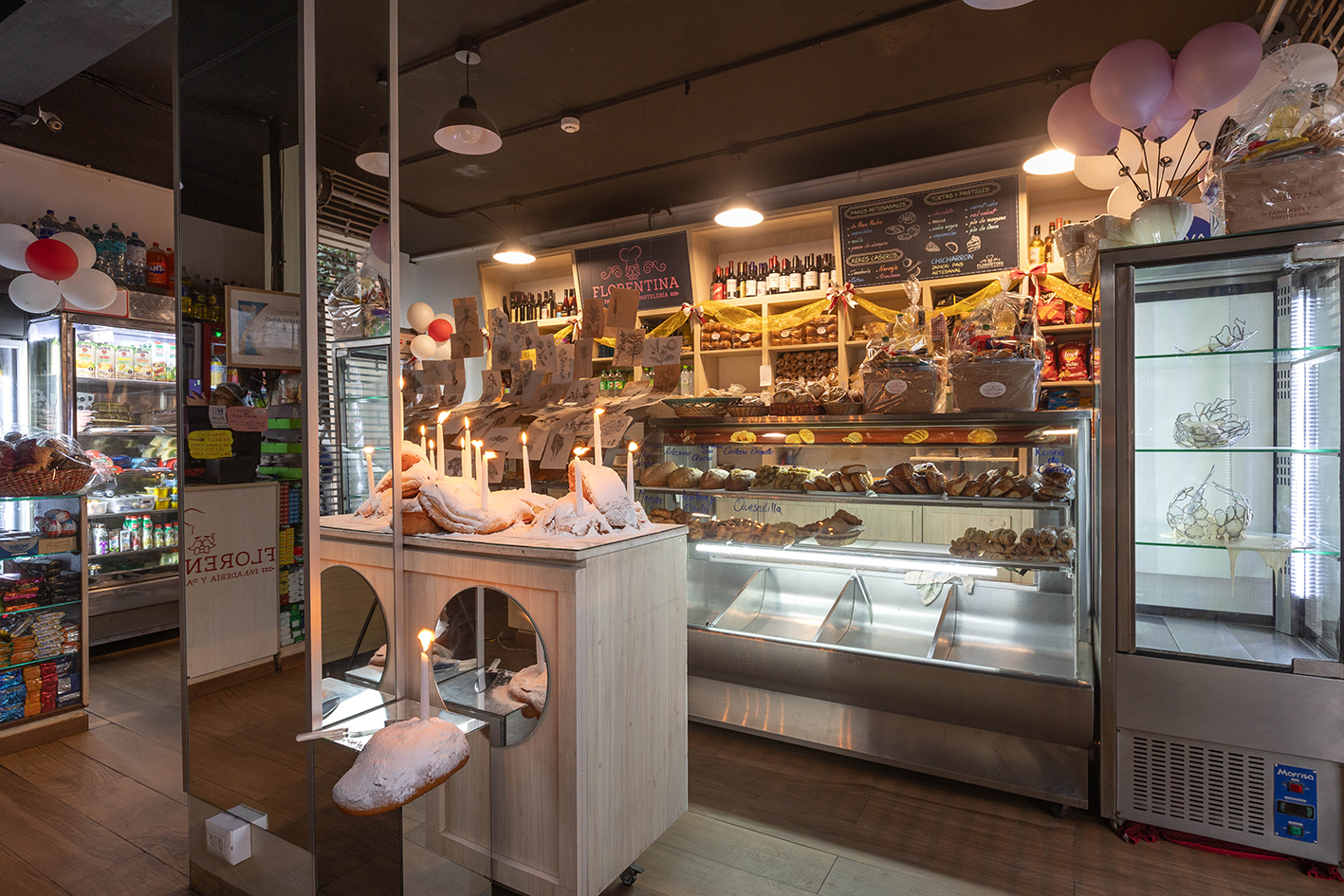
Florentina Panadería Pastelería
2025
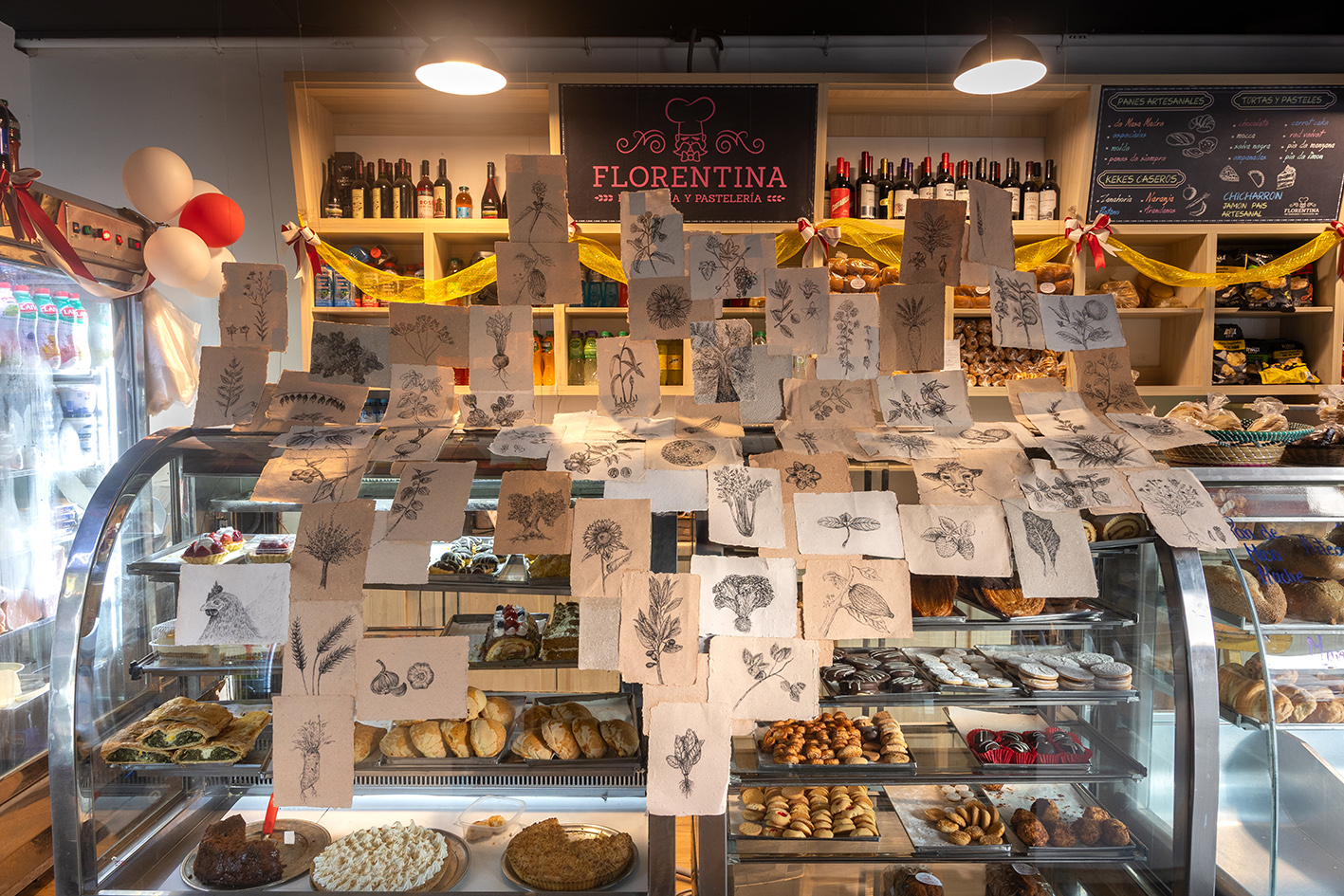
PAN: Producto Artístico Nacional is a long-term project that emerges from my intimate and everyday relationship with my family’s bakery, a space that for more than forty years has been a source of livelihood, memory, and emotional territory. The bakery is not only a site of food production; it is a microcosm that reflects economic, social, and symbolic dynamics. From this place, the project has gradually taken shape as a field of artistic research where labor, migration, care, economy, and interspecies relations converge.
In this context, this space is understood as a conceptual and sensorial territory where bread ceases to be merely a product and becomes a living system—an ecosystem in which humans, microorganisms, plants, raw materials, affections, and economies interact. It is a way of naming this network of interdependencies that sustains everyday life and that the project seeks to make visible.
PAN: Producto Artístico Nacional transforms the Florentina bakery into an artistic and affective laboratory. There, food ceases to be a commodity and becomes body, memory, and bond. The project engages with my family’s migratory history—a mother who makes her craft a form of care, a father who recites poetry while the bread bakes—and with the shared experience of those who find in food a means of subsistence.
In this process, artistic practice does not separate itself from daily labor; it moves through it, questions it, and expands it. Bread becomes a critical material through which to reflect on the economic system, but also an offering, a celebration, and a gesture of gratitude toward the visible and invisible beings—corn, wheat, rye, yeasts—that make life possible.
 PAN: Producto Artistico Nacional
 En la palma de nuestras manos
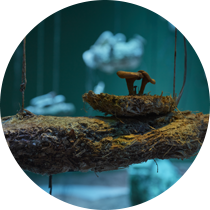 Desbosque: desenterrando señales
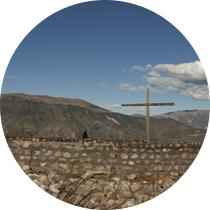 Memory space Chimpapampa
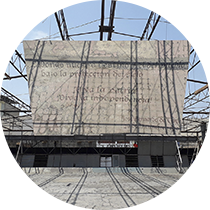 Since 200 years
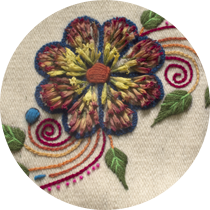 At 713 kilometers from here
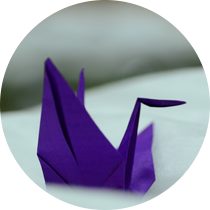 I hope that something changes
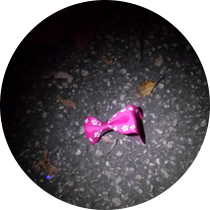 Everybody lost something in this trip
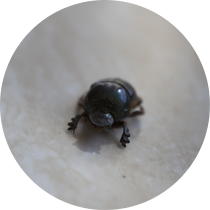 Nobodies
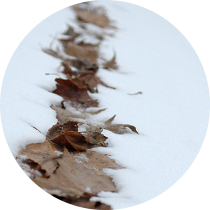 walking to the Present
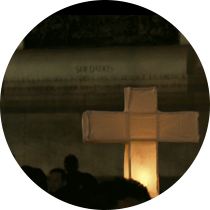 Imagine 69 280 crosses II
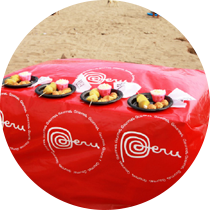 Peru Gourmet
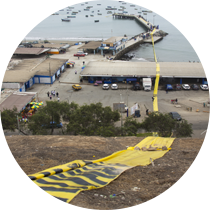 ¿Emergentes? Collective - Private Metre
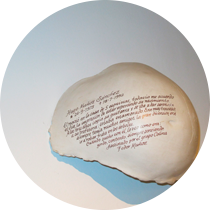 Memory...
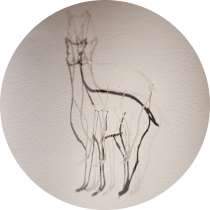 Threads Migration
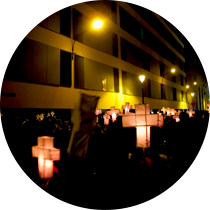 Imagine 69 280 crosses I
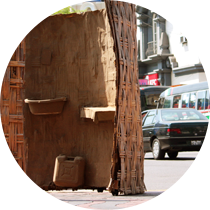 Peripheral Project
 Oda al jet
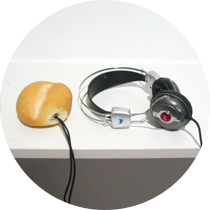 The bakery
 Identificate.pe
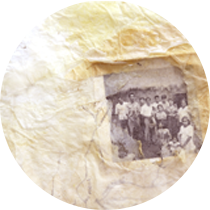 Migration Maps